Definition
What is storm and flood mold cleanup?
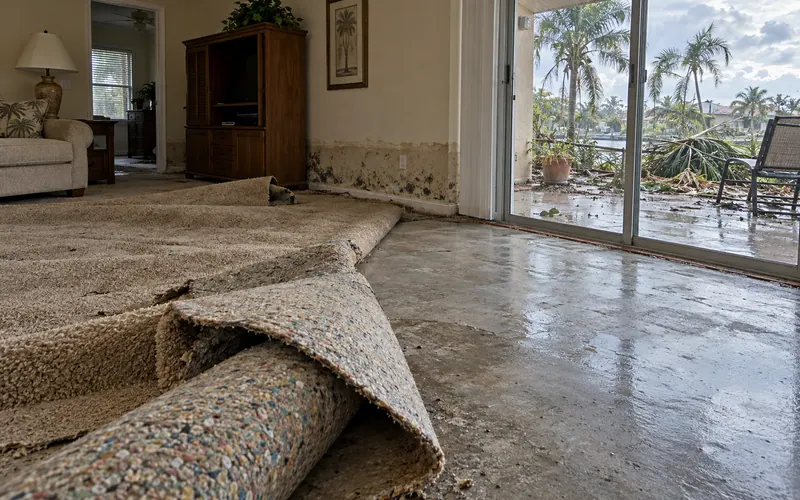
Storm and flood mold cleanup is the work of getting a home dry and safe after a hurricane, tropical storm or severe rain event, removing materials the water contaminated, and cleaning any mold that started while the house was wet. It differs from a plumbing leak in two ways: the water is usually dirtier, and it often reaches many rooms at once.
Country Club sits well inland, so storm surge is not the main threat. The risks here are wind-driven rain forced past windows, doors and roof edges, roof damage that lets rain into the attic, and heavy rainfall that overwhelms drainage on low, flat ground at an elevation of only a few feet. A long power outage adds one more: without AC, indoor humidity climbs and mold can appear on walls and furniture even where no water came in.
The cleanup follows the same principle as all remediation, which our Country Club, FL mold specialists overview explains: stop the water, remove what cannot be saved, clean and dry what can, and confirm the result before rebuilding.
Methods
How does storm and flood cleanup work?
How the job is handled depends mainly on where the water came from.
| Water source | How it is treated | What usually happens |
|---|---|---|
| Rising floodwater | Contaminated (Category 3) | Flood cuts, insulation and carpet removed, everything sanitized |
| Wind-driven rain at windows or doors | Starts clean, degrades with time | Fast drying may save materials; older soaking means removal |
| Roof damage | Depends on path and time | Attic insulation and ceiling drywall often replaced |
| Humidity during an outage | No standing water | Surface cleaning, dehumidifying, checking closets and furniture |
- Flood cuts. Drywall is cut in a straight line above the water mark so the wet, contaminated section and insulation behind it can come out.
- Sanitizing. Studs and the slab are cleaned and disinfected where floodwater touched them.
- Drying. Dehumidifiers and air movers bring framing and concrete back to normal readings, which takes longer after a flood than a small leak.
- Mold remediation. Any growth that started is removed under containment before walls are closed.
Warning signs
What signs after a storm point to a mold risk?
- A water line or tide mark on walls, cabinets or doors.
- Carpet or pad that is still damp a day after the rain stopped.
- Swollen baseboards, door frames or cabinet bases.
- Water at sliding doors or under windows where rain was driven in.
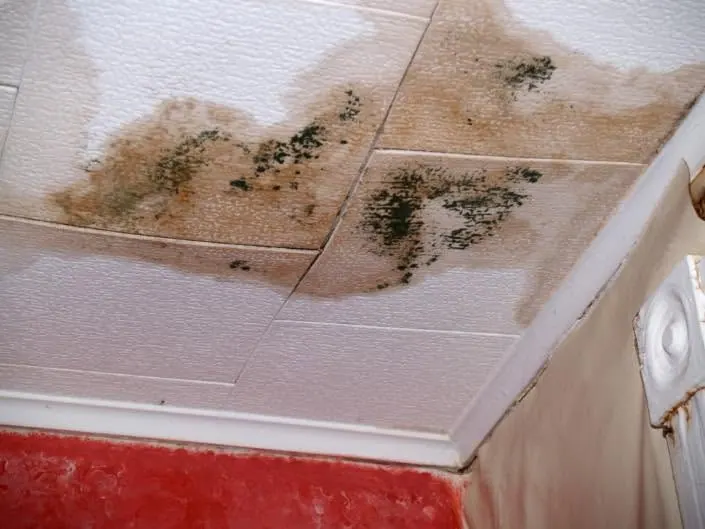
- New ceiling stains from roof or flashing damage.
- A damp, musty smell that appears or grows stronger in the days after the storm.
- A clammy house after a power outage, with condensation on windows or surfaces.
- Small spots appearing on walls, furniture, shoes or closet contents within days.
Causes
How does storm water get into Country Club homes?
Hurricane season runs from June 1 to November 30, and even storms that pass at a distance can bring days of heavy rain to northwest Miami-Dade. Water typically enters in a few predictable ways:
- Sliding glass doors and windows, where strong wind pushes rain past worn seals and weep systems.
- Roof damage, from lifted or broken tiles and shingles to torn underlayment and flashing, which soaks the attic first. See attic mold removal for what that leads to.
- Low spots and drainage backups, where water pools against the house or comes in under doors on flat lots near lakes and canals.
- Garages and utility rooms at slab level, which often take on water before living areas do.
- Long outages that leave the house without AC, letting humidity build up for days.
When water came from a burst pipe or appliance during the storm instead of from outside, the cleanup is closer to water damage mold cleanup.
After the storm
What should you do first after storm water gets in?
- Wait until authorities say it is safe to return, and enter carefully.
- Keep power off to flooded areas until an electrician confirms it is safe.
- Photograph and video every room, the water line and damaged items before moving anything.
- Remove standing water, then pull wet carpet and pad out of the house.
- Move dry belongings out of wet rooms and prop up furniture.
- Restart the AC or run dehumidifiers as soon as power and safety allow.
- Contact your homeowners and flood insurers to open claims.
Never run a generator indoors, in a garage or near open windows; carbon monoxide kills quickly. The CDC advises keeping generators at least 20 feet from doors and windows. Wear gloves and boots around floodwater, which can carry sewage and chemicals.
Keep a small sample of removed carpet and pad, and photograph serial numbers on damaged appliances. Adjusters often ask for them, and they are gone once the debris pile is collected.
The pro visit
What happens when a storm cleanup crew arrives?
- Safety and scope. The crew checks for electrical hazards, structural damage and sewage contamination.
- Documentation. Photos, moisture maps and water-line measurements are recorded for insurance.
- Water removal. Remaining water is extracted from floors and cavities.
- Tear-out. Carpet, pad, baseboards, flood-cut drywall and wet insulation are removed and bagged.
- Cleaning and sanitizing. Studs, slab and salvageable surfaces are cleaned and disinfected.
- Drying. Equipment runs with daily readings until framing and slab are dry.
- Mold work. Growth that started during the wet period is remediated under containment.
- Clearance and rebuild. The structure is verified dry and clean before drywall and flooring go back.
Planning
What affects the cost of storm and flood mold cleanup?
| Factor | Why it matters |
|---|---|
| Water source | Floodwater requires removal and sanitizing; clean rain may allow drying. |
| Rooms affected | Whole-floor floods multiply tear-out and equipment. |
| Height of the water line | Higher water means taller flood cuts and more insulation. |
| Time before drying | Delays after big storms often mean more mold to remove. |
| Roof or window repairs | Envelope repairs are separate trades but must come first. |
| Contents | Cleaning or disposing of furniture and belongings adds labor. |
Urgency
When is storm damage an emergency?
Treat it as an emergency when floodwater has entered living areas, when water has reached outlets or the electrical panel, when the roof is open to the weather, or when sewage has backed up into the house. Get people and pets to a safe place first. Once the home is safe to enter, every day of delay in removing wet materials makes mold growth more likely, especially in the heat that follows most summer storms.
FAQs
Storm and flood mold questions
Does homeowners insurance cover flood damage?
Standard homeowners policies generally exclude flooding from rising water, which is covered by separate flood insurance through the National Flood Insurance Program or a private insurer. Wind-driven rain entering through storm damage to the roof or windows may fall under the homeowners policy instead. Check both policies and report promptly.
Can drywall soaked by floodwater be dried and kept?
Generally no. Floodwater is treated as contaminated, so drywall and insulation it touched are cut out, usually some distance above the visible water line, and the cavity is cleaned and dried before new material goes in.
Can mold grow after a storm even if no water came inside?
Yes. During a long power outage the AC stops removing humidity, and indoor air in South Florida can stay damp enough for mold to appear on walls, furniture, closets and leather within days. Run dehumidification as soon as power returns and check hidden areas.
What belongings can be saved after a flood?
Hard, non-porous items like metal, glass, hard plastic and sealed wood can usually be cleaned and disinfected. Mattresses, upholstered furniture, carpet, pillows, stuffed toys and paper soaked by floodwater are usually discarded. The CDC's advice for questionable porous items is: when in doubt, throw it out.
How quickly should cleanup start after a storm?
As soon as it is safe to enter. Wet materials can start growing mold within a day or two, so remove standing water, get wet carpet and pad out and start drying right away, even if a full repair has to wait for insurance.
How do I avoid bad contractors after a hurricane?
Be cautious with door-to-door offers, verify any mold or construction license on the Florida DBPR license search, ask for proof of insurance and a written scope, avoid paying large sums upfront, and read every document carefully before signing.